

It is time for many children and teenagers to return to school or college.
You may have children who are just starting school, or children or teenagers who are growing in independence, making their own way to and from school or college and increasing their self-sufficiency at home with use of electrical items, cooking and being home alone.
As part of their development, it is important to remind them of how to be responsible for their safety and for young children to start to learn how to stay safe.
If your child has a mobile phone, download what3words and show them how to use it to give their location. Download the free what3words app.
Please read the information on how to help your child stay safe with fire, on the roads and near water and share the safety tips with them as appropriate to them.
DWFRS wish everyone an enjoyable, educational and safe school year.
Road Safety:
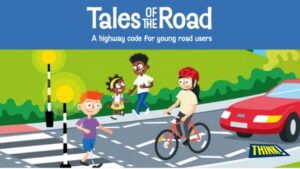
Even if your child is just starting school and you are taking them to school, it is never too early to start teaching and demonstrating road safe behaviours.
THINK! website has lots of useful advice for children and parents and carers. – Education resources – THINK!
There is a specific resource to help parents and carers of children who are moving up to secondary school. – Transitioning to Secondary School – THINK!
How will your child/teenager safely get to school or college this year?
Bike and scooters:
If your child is using a bike or scooter, make sure they:
- Always wear a helmet and other safety equipment.
- Have sufficient lights to be seen, and to see.
- Wear reflective items to be seen, especially as the days get shorter.
- Make sure the bike is roadworthy and safe.
- Remember, E-scooters are illegal on public roads and pavements.
- Make sure they know how to ride safely and legally.
- When your child is old enough, consider a bike safety course.
Take a look at the attached leaflet and poster to understand the law in relation to e-bikes and e-scooters.
Useful videos & links:
Can I ride an e-scooter in a public place?
What makes an e-bike/e-scooter legal and roadworthy
An illegal e-bike and why?
Advice on e-scooter usage | Wiltshire Police
What you need to know: electric bikes | Wiltshire Police
Cars:
- If you are driving your child to school, please park considerately and drive with care near the school.
- When driving your child, remember your child will be aware of your behaviour, try to keep calm and focused.
- Make sure your child always wears their seatbelt and uses a booster seat if required. Visit Child Seat Safety.
- If your teenager is learning to drive or recently passed and can drive to sixth form or college, remind them of the importance of driving with care and attention.
- If your teenager may be having lifts off friends who have recently passed their test, remind them that they need to be a responsible and helpful passenger.
Motorbike or moped:
- If your teenager is using a motorbike or moped to get to School or College, you may like to share these short videos with them Motorcycle Safety – NFCC.
Walking:
If your child is independently walking to and from school, make sure they know how to:
- Cross the road safely and carefully.
- Be bright, be seen – especially as the mornings and evenings get darker.
- Be very careful around parked cars by the school.
- Avoid distractions such as mobile phones, games or music.
Bus and trains:
If your child or teenager is taking the bus or train to school or college, make sure they understand the importance of safe behaviour and actions. Always wear seat belts when they are available.
Water safety:
Remind your child to always be careful near water. – Water Safety Code Cartoon
Teach your child to float on their back if they fall in or get in to trouble in water. – Float To Live – What To Do In An Emergency – RNLI
RNLI Life Skills: teach your child how to float
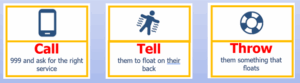
If someone else is in trouble in the water, never go into the water yourself:
- Call 999 and ask for the fire service (inland) or coastguard (by the sea).
- Tell the person to float on their back.
- Throw them something that floats they can hold on to (if possible).
When the weather gets colder, remind your child not to play on frozen rivers, lakes, ponds or canals.
Fire safety:
The start of the new term is a good opportunity to check everyone understands how they can help the family stay fire safe.
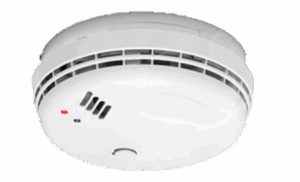
- Do you have working smoke detectors?
- Does your child know what to do if the smoke detector sounds?
- Does everyone in the home know the fire escape plan?
- Are escape routes clear of trip hazards?
Remind your child not to leave their school bag, coat, shoes etc, blocking fire escape routes, especially the stairs and front door.
- Remember, if there is a fire: Get out, Stay out, and Call 999.
Electrical safety:
If your child has a mobile phone or other device which needs charging, make sure they understand how to charge it safely: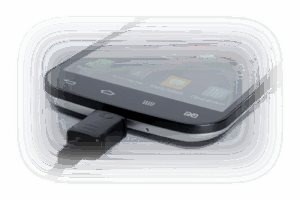
- Always charge when awake.
- Switch off the electricity when fully charged.
- Always charge items on a hard surface so the air can circulate around them.
- Always use a genuine charger.
- If you do have an e-bike or e-scooter, make sure to follow the safety advice. – Dorset & Wiltshire Fire Service | E-bikes and E-scooters
Cooking safety:
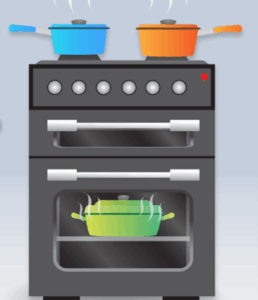
If your child is old enough to cook alone, make sure they understand how to cook safely:
- Always stay near the cooker when cooking.
- Make sure the area around the cooker is clear, so nothing falls onto the hob.
- Make sure the grill is clean.
- Always make sure the cooker is turned off when you have finished cooking.
- Be aware that videos demonstrated on social media may not be safe.
Fire play:
Most teenagers and children do not deliberately start fires.
However, it is not unusual for children and teenagers to take an interest in fire, but it is important that they understand the dangers of playing with fire.
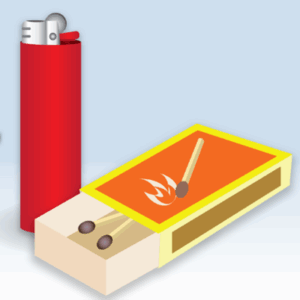 Keep matches and lighters out of reach of young children.
- Explain to young children that matches and lighters should only ever be used by adults.
- Explain to older children and teenagers that lighting fires is dangerous, fire is unpredictable and although you may think you can control it, you can’t.
- Discuss strategies and techniques to help your child or teenager get away from situations they do not feel comfortable in, for example, to make an excuse to come home.